Imagine running a business where every decision you make is backed by solid proof—not guesswork. You know what your customers want, when they want it, and how they behave. This is not imagination anymore. This is the power of Data Analytics.
In today’s competitive digital landscape, businesses that use data effectively are growing faster, making smarter decisions, and delivering better customer experiences. Data Analytics is no longer just a technical field—it’s a core business strategy.

Understanding Data Analytics in Simple Terms
At its core, Data Analytics is about making sense of data. It involves examining raw data to discover patterns, draw conclusions, and support decision-making.
Think of it like this:
Data is like raw material, and analytics is the machine that turns it into valuable insights.
Without analytics, data is just numbers. With analytics, it becomes a powerful decision-making tool.
Why Data Analytics Matters More Than Ever
We are living in a data-driven world. Every click, purchase, search, and interaction creates data. But only those who know how to use this data can truly benefit from it.
1. Businesses Can Predict Trends
With Data Analytics, companies can identify patterns and predict future trends. This helps them stay ahead of the competition.
2. Personalized Customer Experience
Customers expect personalized services. Data analytics helps businesses understand customer behavior and deliver tailored experiences.
3. Smarter Marketing Decisions
Instead of spending blindly on ads, businesses can analyze what works and optimize their marketing strategies.
4. Faster Problem Solving
Data analytics helps identify issues quickly and provides solutions based on evidence.
The Journey from Data to Decisions
The process of Data Analytic is like a journey. It starts with raw data and ends with meaningful insights.
Step 1: Data Collection
Data is collected from various sources such as websites, mobile apps, social media, and sales systems.
Step 2: Data Cleaning
Raw data is often messy. Cleaning ensures accuracy and reliability.
Step 3: Data Analysis
This is where patterns and trends are identified using tools and techniques.
Step 4: Visualization
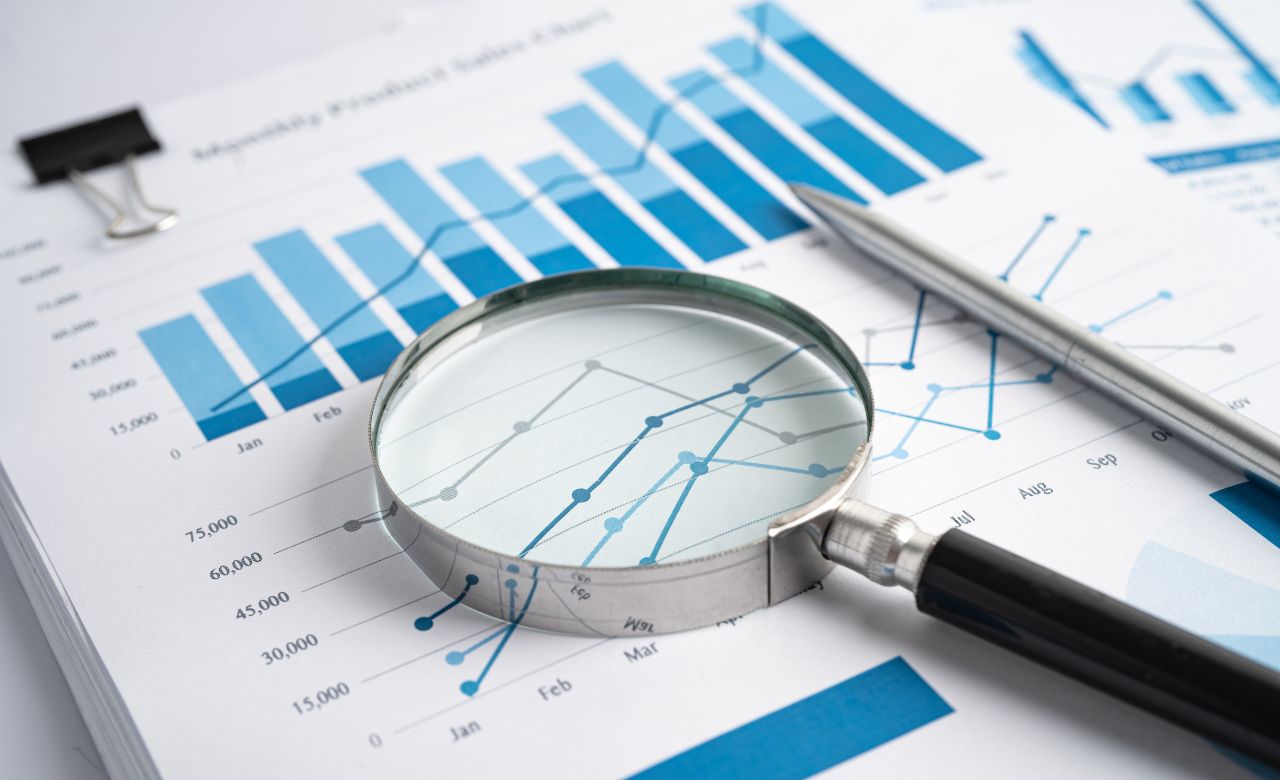
Data is presented in charts, graphs, and dashboards for easy understanding.
Step 5: Decision Making
Insights are used to make informed and strategic decisions.
Real-World Examples of Data Analytic
To understand Data Analytic better, let’s look at how it is used in everyday life:
E-commerce Platforms
Online stores track your browsing history and recommend products based on your interests.
Banking Sector
Banks detect unusual transactions using analytics to prevent fraud.
Healthcare Industry
Doctors use data analytics to predict diseases and improve patient care.
Social Media Platforms
Platforms analyze user behavior to show relevant content and ads.
Tools That Make Data Analytic Powerful
Behind every successful data analysis, there are tools that simplify the process.
Excel – The Beginner’s Tool
Simple yet effective for organizing and analyzing small datasets.
SQL – Managing Data Efficiently
Helps retrieve and manage large amounts of data from databases.
Python – The Game Changer
Widely used for automation, machine learning, and advanced analytics.
Power BI & Tableau – Visualization Experts
These tools turn complex data into easy-to-understand visuals.

Skills You Need to Learn Data Analytic
If you want to build a career in Data Analytic, you need a combination of technical and analytical skills.
- Strong analytical thinking
- Basic knowledge of statistics
- Familiarity with tools like Excel, SQL, or Python
- Data visualization skills
- Problem-solving mindset
The good news? You don’t need to be a coding expert to get started.
Challenges in Data Analytic
While Data Analytic is powerful, it comes with its own set of challenges:
Data Overload
Too much data can be overwhelming without proper tools.
Data Privacy Concerns
Handling user data requires strict security measures.
Lack of Skilled Professionals
There is a growing demand for data analysts, but the supply is still limited.
Data Quality Issues
Incorrect data leads to incorrect insights.
Future Trends in Data Analytic
The future of Data Analytics is exciting and full of opportunities. Technology is evolving rapidly, making analytics smarter and faster.
AI and Machine Learning Integration
Analytics tools are becoming more intelligent and automated.
Real-Time Analytic
Businesses can now make decisions instantly using live data.
Cloud-Based Analytic
Data storage and analysis are moving to the cloud for better accessibility.
Increased Demand for Data Professionals
Companies across all industries are hiring skilled analysts.
How Data Analytics is Changing Careers
Data Analytic is one of the fastest-growing career fields today. It offers high salaries, global opportunities, and strong job security.
Popular Career Options:
- Data Analyst
- Business Analyst
- Data Scientist
- Marketing Analyst
- Financial Analyst
Even non-technical professionals are now learning analytics to stay relevant in their careers.
Why You Should Start Learning Data Analytics Today
If you’re thinking about learning a future-proof skill, Data Analytic is a great choice.
- High demand in the job market
- Applicable in every industry
- Improves decision-making skills
- Opens global career opportunities
Whether you are a student, job seeker, or business owner, learning data analytics can give you a major advantage.
Conclusion
In a world where data is growing rapidly, Data Analytic is the key to unlocking its true potential. It helps businesses make smarter decisions, improve efficiency, and deliver better customer experiences.
The ability to understand and analyze data is no longer optional—it’s essential.
If you want to stay ahead in today’s competitive environment, start learning Data Analytic and become a part of the data-driven future.